 Atrações
  Hotel
Hotel  Restaurante
  Compras
  Abroad
  Lugares Próximos





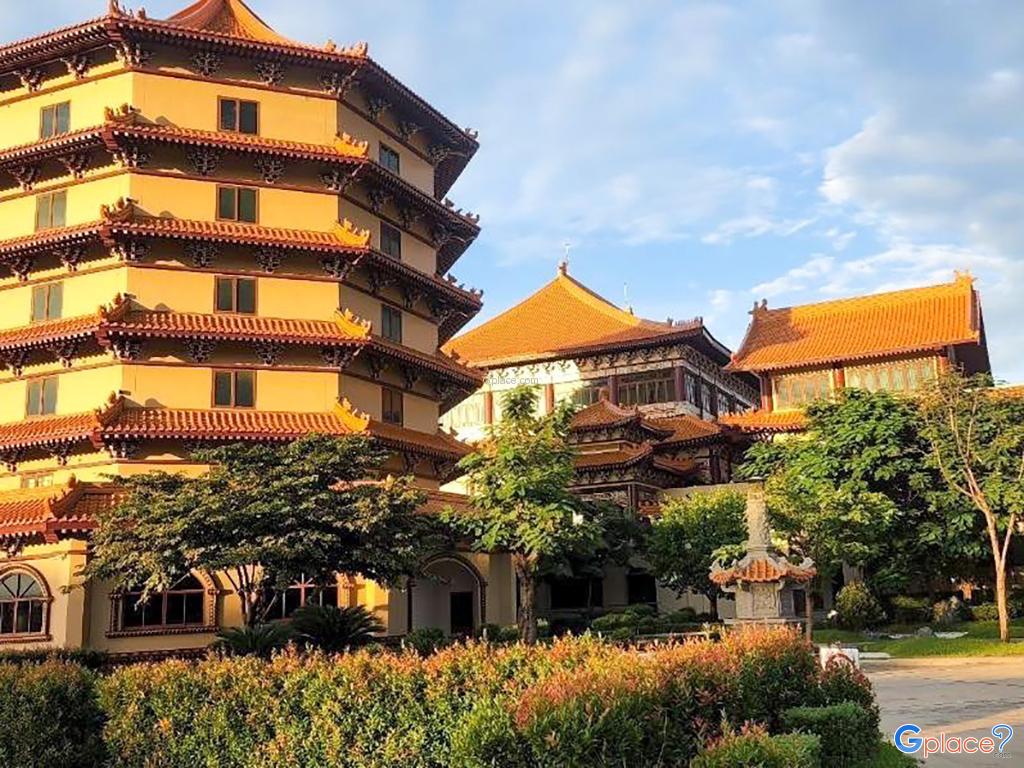

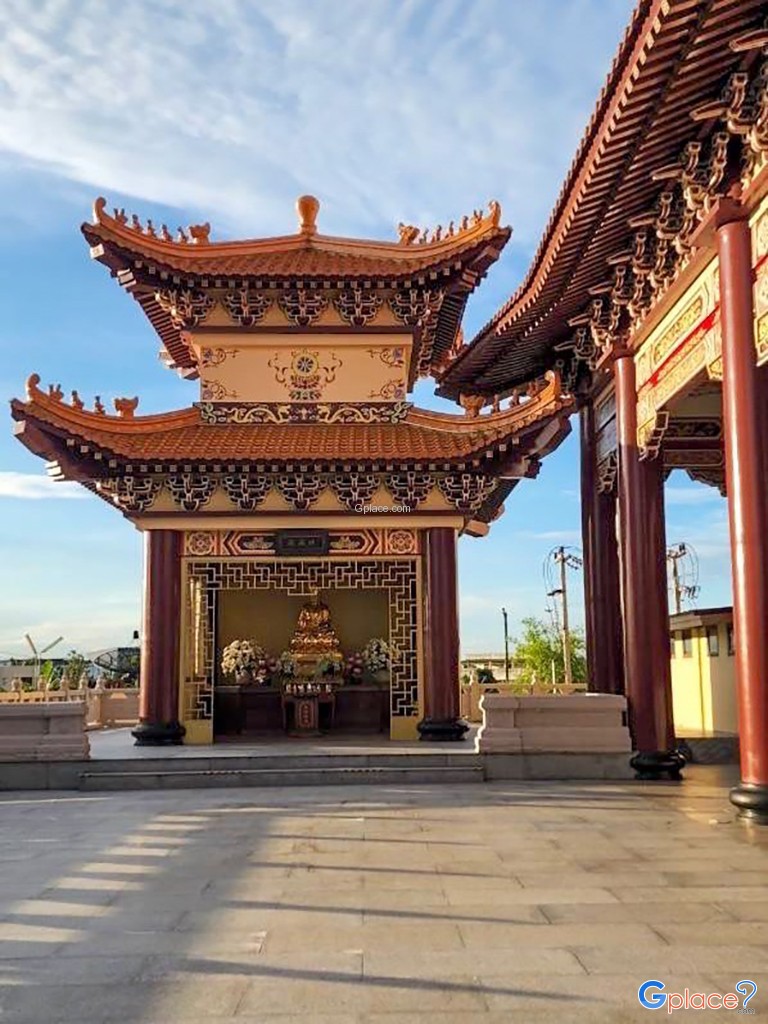
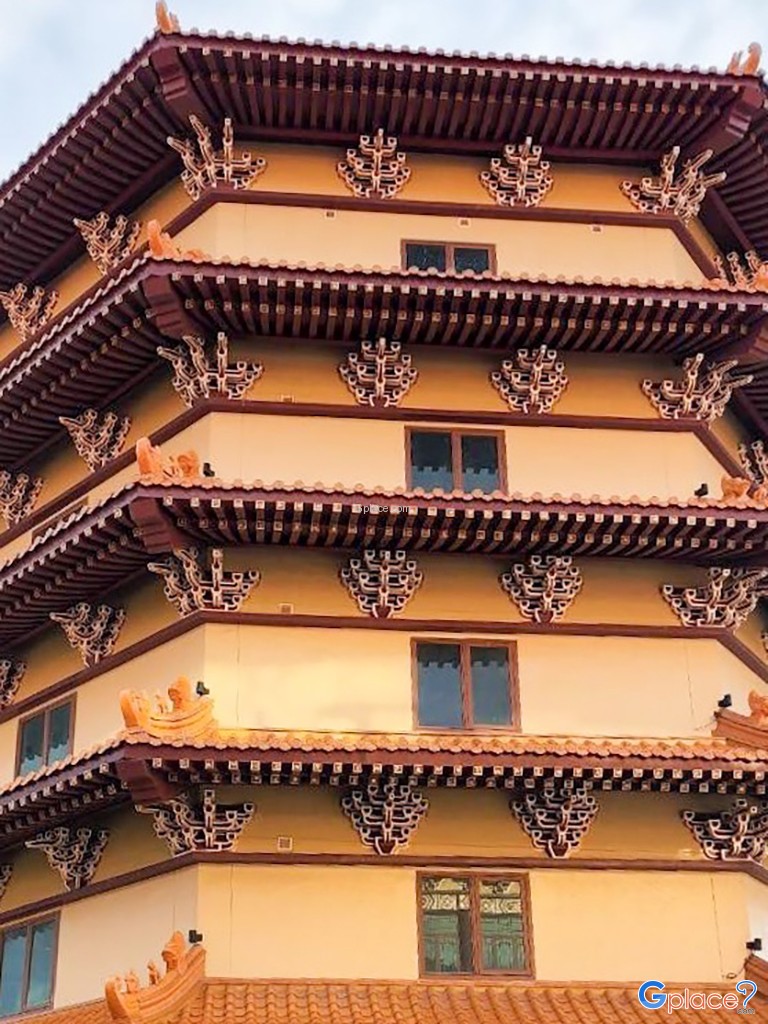
Templo Fo Guang Shan (Fo Guang Shan Temple), officially known as the Theravada–Mahayana Buddhist Institute, is a branch of the international Fo Guang Shan Buddhist organization from Taiwan. Guided by the philosophy of “Humanistic Buddhism,” the temple emphasizes applying Buddhist teachings to everyday life. Located on Khu Bon Road in Bangkok’s Khlong Sam Wa district, the temple stands out for its grand and symmetrical Mahayana Chinese architecture, symbolizing harmony, dignity, and spiritual serenity.
Upon entering through the massive white ceremonial gate, visitors are welcomed by a spacious courtyard that leads toward the main halls arranged according to Feng Shui principles. The layout reflects balance and positive energy, creating a tranquil atmosphere that contrasts beautifully with the bustling city outside.
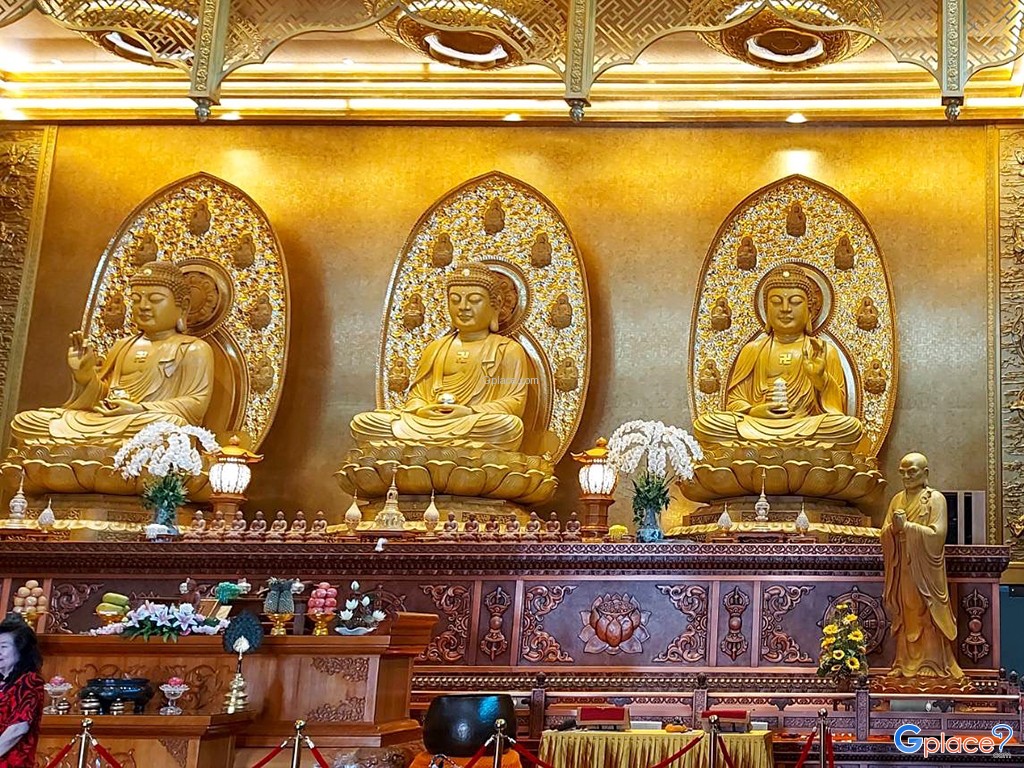
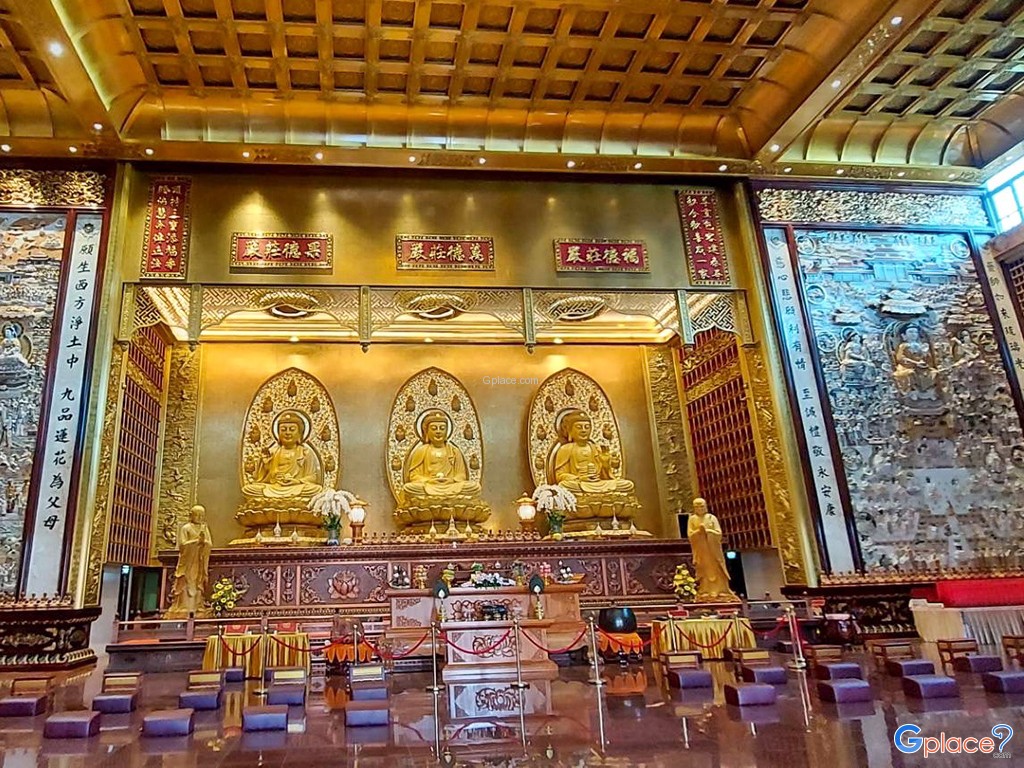
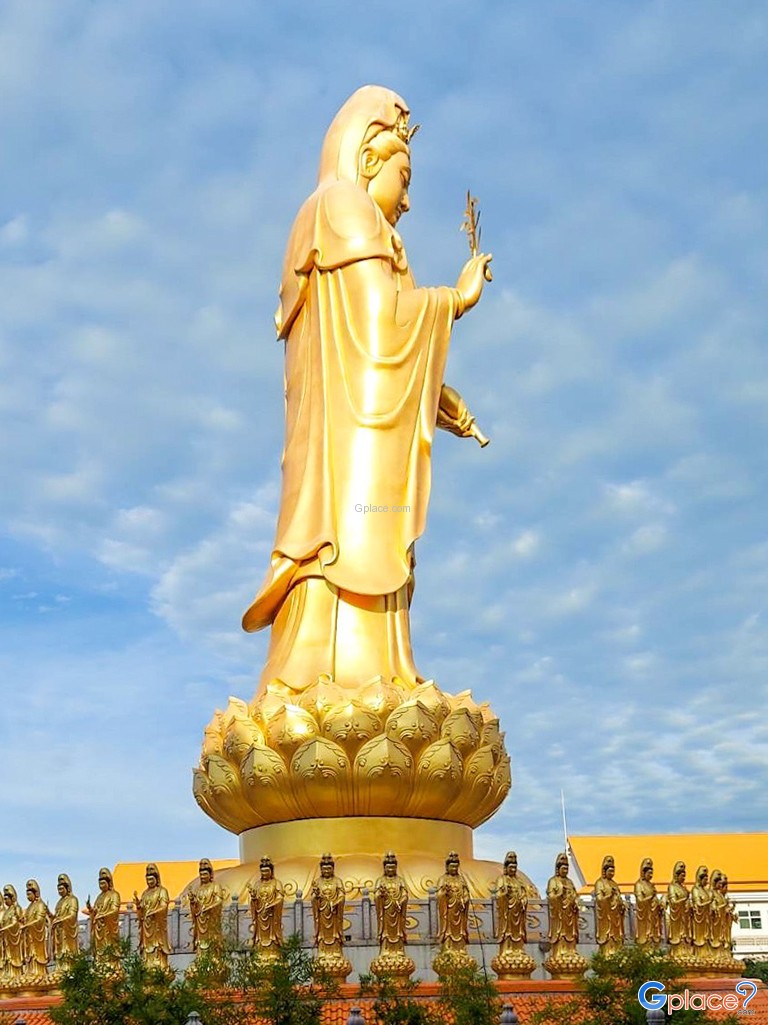
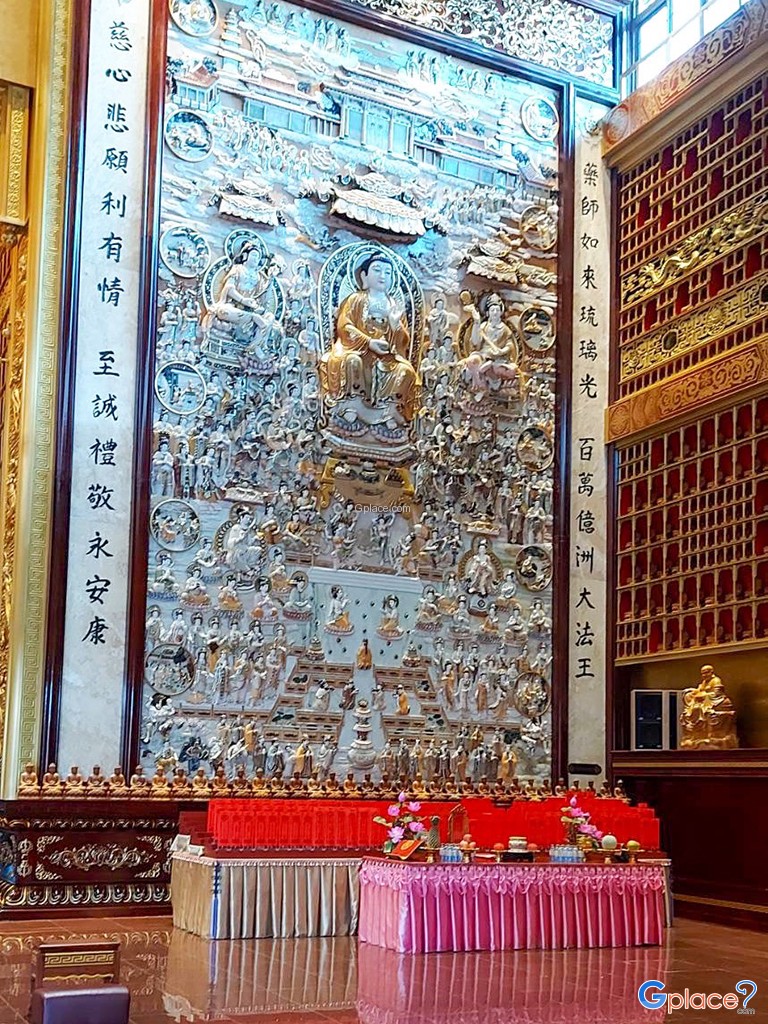
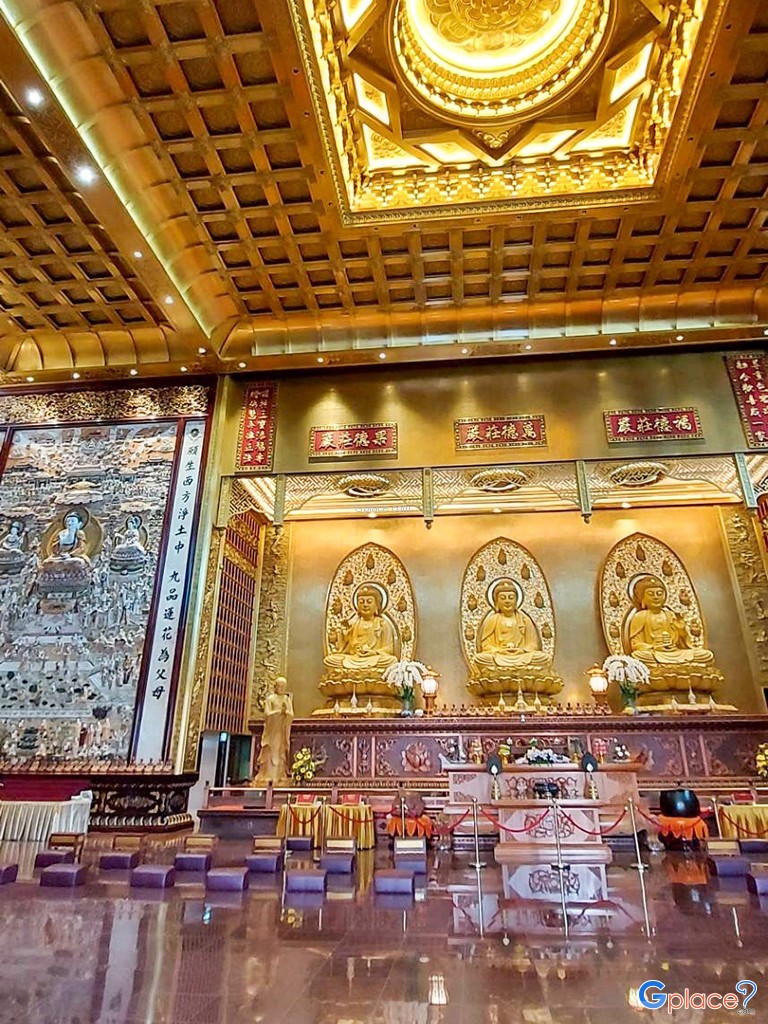
The most prominent highlight is the Avalokitesvara Hall, housing a magnificent golden statue of Guanyin (the Bodhisattva of Compassion). The hall is surrounded by landscaped rock gardens, lotus ponds, and decorative fountains designed with careful attention to symbolism and harmony. Inside the main hall, three large white jade Buddha statues are intricately carved and delicately adorned with gold details, representing purity, wisdom, and compassion. The artistic elements throughout the complex beautifully integrate both Mahayana and Theravada traditions.
The temple complex includes meditation rooms, Dharma lecture halls, dining facilities, and multipurpose spaces for religious and cultural activities. Regular programs include meditation retreats, bilingual chanting sessions (Chinese–Thai), Buddhist holiday ceremonies, and traditional Chinese festivals such as Lunar New Year and the Mid-Autumn Festival. As a result, the temple serves not only as a place of worship but also as an important cultural and educational hub in eastern Bangkok.
Beyond its spiritual significance, the temple is also a popular destination for photographers and architecture enthusiasts. From dragon-adorned staircases and finely carved walls to rows of red lanterns and peaceful Chinese-style gardens, every corner offers striking visual appeal. Visitors leave with a sense of inner peace, cultural enrichment, and admiration for the temple’s remarkable Buddhist artistry.